

The timeline of the Second Punic War
The War Journal | Second Punic War Timeline: From Saguntum to Zama
This brutal war that forged an empire all began on Iberian soil.
One city’s fall and one man’s oath. That was all it took to ignite a war that would drag across two continents and change the fate of the western world.
This is the Second Punic War. Raw, relentless, and etched in stone. Every date below marks a turning point. Every battle another step closer to victory for one side or the other.
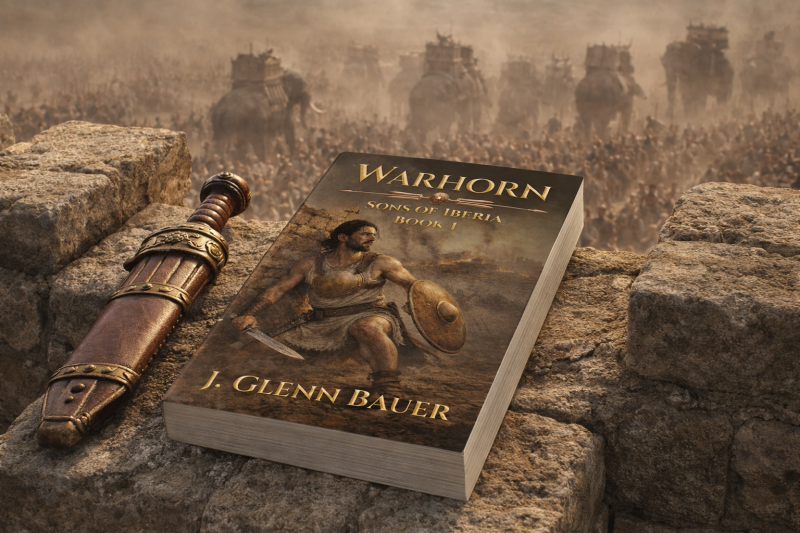
To feel the ground shake as the warriors who fought did, step into the world of Sons of Iberia.
Prelude to War
The Years 221–219 BCE

221 BCE
Hannibal Barca takes command of the Carthaginian army in Iberia. The veterans cheer the son of Hamilcar. The war machine is his.
219 BCE
Strife in Saguntum gives Hannibal his opening. He lays siege to the Roman-allied city. Carthage refuses Rome’s demands.
Notable words from Senator Hanno: “The ruins of Saguntum will fall on our heads.”
The Years 218–212 BCE
218 BCE – 201 BCE
The Second Punic War.
218 BCE
Rome levies legions and launches fleets. Quintus Fabius stands before the Carthaginian senate, robe folded. “Peace or war?” he asks. They choose war.
The Opening Manoeuvres and Battles
The Years 218–217 BCE
April – May 218 BCE
Hannibal Barca subdues the tribes north of the Ebro and crosses the Pyrenees into Gaul. The march to Rome has begun.
July 218 BCE
The Volcae Gauls oppose Hannibal Barca's army on the eastern bank of the Rhône. After a bloody battle, Hannibal defeats them.
Gnaeus Cornelius Scipio Calvus is unable to intercept Hannibal so he lands 20,000 Romans at Empúries in Iberia.


Summer 218 BCE
Battle of Lilybaeum. Carthage raids Sicily. Rome intercepts with 20 quinqueremes. Seven Carthaginian ships fall in the first naval clash of the war.
October 218 BCE
Battle of Cissa. Carthaginian general Hanno attacks Gnaeus Scipio. Outnumbered and outfought, Hanno loses 6,000 dead, 2,000 captured—including Indibilis of the Ilergetes. The baggage meant for Hannibal in Italy falls into Roman hands.
November 218 BCE
Battle of Ticinus. Hannibal crosses the Alps, gathers Gauls, and meets Publius Cornelius Scipio in a cavalry clash. Scipio is wounded. His teenage son saves him. That son will one day be called Africanus.
December 218 BCE
Battle of Trebia. Hannibal destroys Sempronius Longus. Northern Italy swings to Carthage. His army swells to 60,000.
The War Wages On and Rome Slowly Wrests the Initiative
24 June 217 BCE
Battle of Lake Trasimene. Hannibal’s greatest ambush. Consul Flaminius and most of his army die in the mist and the hills.
Hannibal’s words still echo: “I have come not to make war on the Italians, but to aid the Italians against Rome.”

The Years 216–215 BCE
216 BCE
Marcus Claudius Marcellus holds Nola against Hannibal’s assault.
August 216 BCE
Battle of Cannae - 2 August, 216 BCE
Hannibal faces and defeats a Roman army twice the size of his. In doing so, he inflicts one of the worst defeats on Rome in its history.
Prior to the battle, Gisgo, one of Hannibal's generals, remarks on the size of the enemy army. Hannibal then says to him, “You forget one thing, Gisgo. Among all their numerous forces, there is not one man called Gisgo.”
Hannibal ante portas
Hannibal stands at the gates of Rome, but he does not storm the city. Instead, he offers peace terms and prisoners for ransom. Rome refuses both.
Notable words from Maharbal, commander of the Numidian cavalry: “You know how to gain a victory, Hannibal, but you do not know how to use it.”

Spring 215 BCE
Battle of Dertosa (Ibera). Hasdrubal Barca is beaten on the Ebro by the Scipio brothers. Critical reinforcements bound for Italy are diverted to Iberia instead.
215 BCE
Syracuse’s new king Hieronymus joins Carthage. Philip V of Macedon pledges support. The war widens.
Broken Shield
Sons of Iberia
Book 5
The Years 214–212 BCE
214 BCE
The Siege of Syracuse
Marcellus besieges Syracuse in Sicily. During this siege, the renowned engineer, Archimedes, designs all manner of war machines to keep Rome at bay.
213 BCE
In Iberia, the Romans begins to hire Celtiberian mercenaries to boost their numbers and deprive the Carthaginians of levies. They are forced to pay these mercenaries the same rates Carthage pays.
212 BCE
Battle of Tarentum. The city defects to Hannibal in a night attack and the Roman garrison retreats to the citadel.
Season of Scars
Sons of Iberia
Book 6
Available on Amazon 12 October, 2026

The Years 211–208 BCE
211 BCE
Battle of the Upper Baetis. Hasdrubal Barca, Mago Barca, Hasdrubal Gisco, and Masinissa of Numidia crush the Scipio brothers at Castulo and Ilorca. Both Roman commanders die in battle.
210 BCE
Publius Cornelius Scipio—soon to be Africanus—lands a fresh Roman army at Empúries in north-eastern Spain.
209 BCE
Scipio storms Carthago Nova (Cartagena) in a daring surprise attack. He seizes the treasury, armoury, and the city itself. The blow is devastating.
209 BCE
Tarentum returns to Roman control.
208 BCE
Battle of Baecula. Scipio defeats Hasdrubal Barca in Iberia. Hasdrubal escapes north with a depleted force, heading for Italy to join his brother.
The Last Bitter Battles
207 BCE
Hannibal, low on men and supplies, is pinned in Bruttium in the toe of Italy.
22 June 207 BCE
Battle of the Metaurus. Hasdrubal’s army is intercepted and destroyed by two Roman consuls. Hasdrubal charges into the thick of the fight and dies. His head is thrown into Hannibal’s camp.
206 BCE
Battle of Ilipa. Scipio’s masterstroke in Iberia shatters Carthaginian power on the peninsula forever. Mago Barca, Hasdrubal Gisco, and Masinissa are defeated.
206 BCE
Masinissa of Numidia sees the future. He defects to Rome.
206–205 BCE
Mago Barca fails at Carthago Nova. The magistrates of Gades close the gates against him. He crucifies them for treason, then sails from Iberia. Carthaginian rule in Spain ends.
The War Ends in Africa
204 BCE
Scipio Africanus sails to North Africa. The war comes home to Carthage.
204–203 BCE
Scipio wins two battles and besieges Utica.
203 BCE
Mago is defeated in Cisalpine Gaul and mortally wounded.
203 BCE
Battle of the Great Plains (Bagrades). Scipio defeats Hasdrubal Gisco and Syphax near Utica.
203 BCE
Hannibal is recalled from Italy to defend Carthage.
19 October 202 BCE
Battle of Zama. Scipio Africanus meets Hannibal on African soil and defeats him. Carthage sues for peace.
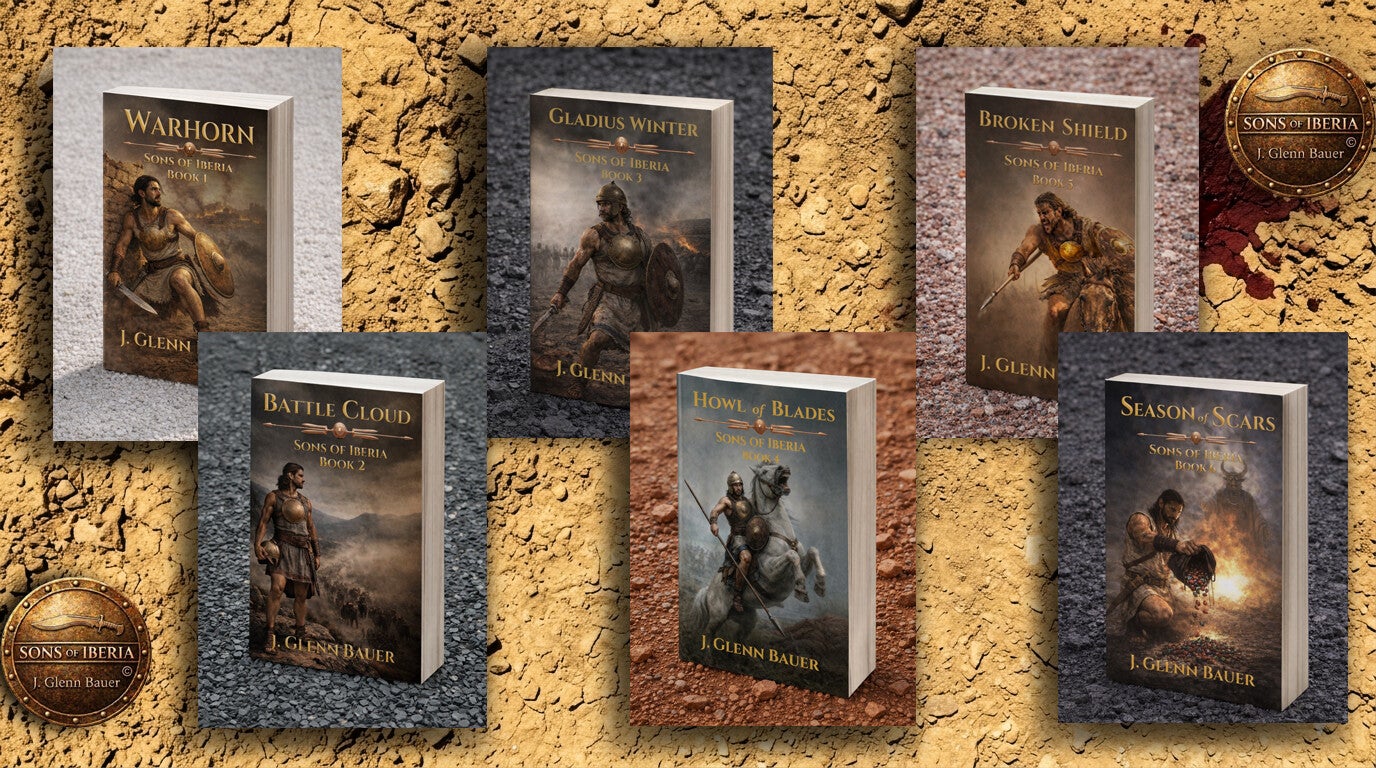
Enter the world that Rome and Carthage fought over.
The Sons of Iberia series awaits you.
Read the books. Live the war.
What moment in this timeline hits hardest? Drop your thoughts in the comments.
The War Journal is written for those who honour the brave resistance of the Iberian warriors and women.
Outcome
The treaty strips Carthage of its fleet, its war elephants, and its right to make war without Rome’s consent. That clause will one day justify the Third Punic War.
The Second Punic War is over.
But the story of Iberia—its tribes, its warriors, its unyielding spirit—has only just begun.